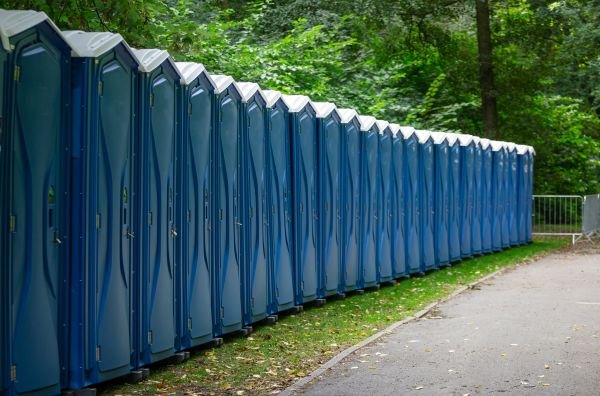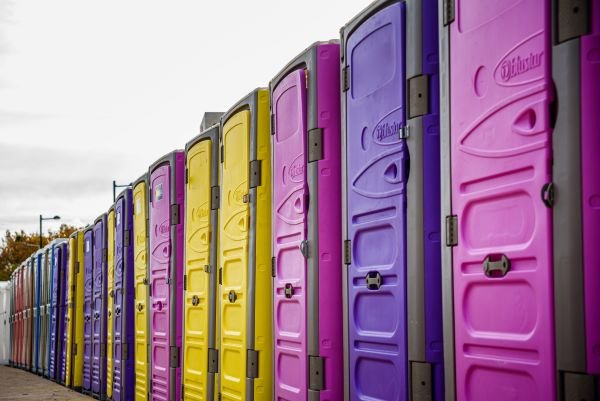
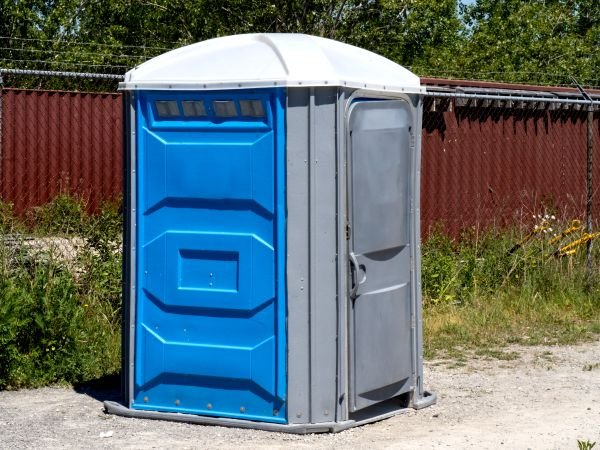
Portable toilets (often called porta potties, portable restrooms, or chemical toilets) are designed to contain human waste in a sealed holding tank—usually with deodorizing chemicals—until the unit is serviced. So, do porta potties smell? Sometimes, yes, but a properly set up, well-ventilated, and regularly serviced porta potty should not be overwhelmingly foul. Odor is usually a sign that something in the system (chemicals, ventilation, cleanliness, usage volume, or servicing frequency) isn’t keeping up.
This matters because smell isn’t just unpleasant—it can indicate hygiene issues, poor maintenance, or overuse, especially at busy events or long job sites. The good news is that odor is typically preventable and fixable. In this guide, you’ll learn exactly why porta potties can smell, what controls odor in the first place, what makes it worse, and what real-world steps (for renters, event organizers, and site managers) reduce smell dramatically. If you are coordinating a project in Augusta, GA, understanding these local heat factors is especially important for odor control.
Direct answer: do porta potties smell?
Yes, porta potties can smell—but they don’t have to. A portable toilet smells when waste odors escape the holding tank or build up inside the unit faster than the chemicals, ventilation, and servicing schedule can control. When serviced on time, stocked correctly, and used within capacity, most modern porta potties have only a mild “chemical” or restroom-like odor rather than a strong sewage smell.
In short: strong odor usually means overuse, poor ventilation, insufficient deodorizer, heat, spills, or overdue pumping/cleaning.
In-depth breakdown: why porta potties smell (and how they’re supposed to work)
Porta potties are simple systems: contain waste, reduce odor, and allow safe servicing. When any part of that system falls behind, smell appears.
How a porta potty controls odor
A typical unit manages odor through four main mechanisms:
- A sealed holding tank
- Waste drops into a tank designed to limit airflow back into the stall.
- The tank lid, seat assembly, and tank structure reduce odor escape when intact.
- Waste drops into a tank designed to limit airflow back into the stall.
- Deodorizing chemicals
- The blue (or sometimes green) liquid is usually a mix of:
- Deodorants/fragrances
- Surfactants (help break down waste and reduce sticking)
- Biocides or enzyme/bacteria systems (varies by supplier and local rules)
- Deodorants/fragrances
- The goal is to neutralize odor-causing compounds and slow down gas formation.
- The blue (or sometimes green) liquid is usually a mix of:
- Ventilation
- Many units have a vertical vent pipe that helps gases exit upward rather than into the user area.
- Ventilation works best when the unit isn’t blocked, placed correctly, and not baking in direct sun all day.
- Many units have a vertical vent pipe that helps gases exit upward rather than into the user area.
- Regular servicing
- Servicing typically includes:
- Pumping out the holding tank
- Cleaning interior surfaces
- Recharging chemicals and water
- Restocking toilet paper and sanitizer
- Pumping out the holding tank
- The service schedule is the biggest factor separating “fine” from “awful.”
- Servicing typically includes:
To ensure the highest standards, many planners opt for a professional porta potty rental service that includes a rigorous cleaning and chemical recharging protocol.
Key components that affect smell
- Holding tank capacity: Small tanks fill faster and smell sooner under heavy use.
- Toilet seat and seal integrity: Cracks, poor fits, or worn parts allow more odor escape.
- Vent stack / vent screen: Blockages or damage reduce airflow and trap gases.
- Door latch and roof vents: Some models rely on air exchange through small vents—damage can worsen odor.
- Urinal (if present): Can become a smell source if not rinsed or if scale builds up.
The biggest factors that make porta potties smell worse
1) Overuse (too many people per unit)
When usage exceeds capacity, waste accumulates quickly and chemicals become ineffective. This is common at:
- Festivals and weddings
- Sporting events
- Busy construction sites
- Disaster relief setups
2) Servicing frequency that doesn’t match demand
A weekly pump-out might be okay for low traffic, but not for a high-volume event. If the tank is near full, odors intensify.
3) Heat and direct sunlight
High temperatures speed up odor formation. A unit sitting in full sun can smell much worse than one in shade.
4) Poor ventilation or blocked vent pipe
If the vent is blocked (debris, insect nests, damage), gases linger inside the stall.
5) Spills and “splash zones”
The holding tank can be fine, but interior surfaces (floor, seat, urinal, walls) can harbor odor if urine or waste splashes and isn’t cleaned.
6) Wrong chemical balance
Too little water, not enough deodorizer, or mixing incompatible products can reduce odor control. (Some cleaners can disrupt enzyme/bacteria-based treatments.)
Different types of portable toilets and how smell varies
- Standard chemical porta potties: Most common; odor depends heavily on service + ventilation.
- Flushable portable toilets (recirculating or fresh-water flush): Often smell less inside the stall, but still require frequent servicing. For those hosting upscale gatherings, choosing luxury restroom trailers can significantly reduce interior odor while providing a much more comfortable environment for guests.
- Trailer-mounted restroom units: Usually the least smelly because they have better ventilation, sinks, and more robust waste handling.
- Composting or urine-diverting portable toilets: Can be low-odor when properly managed, but performance varies by system and maintenance quality.
- High-rise construction portable toilets: Sometimes have unique pumping systems—odor depends on hose integrity and service frequency.
Real-world examples and use cases
Construction sites
On job sites, smell often comes from high daily usage and long gaps between servicing. If crews increase and the number of units doesn’t, odor becomes unavoidable. Heat exposure is also common—units placed on bare ground in direct sun tend to smell worse. In developing areas like Fort Wayne, IN, contractors often adjust their service frequency during the summer months to compensate for higher temperatures.
Outdoor weddings and private events
A single unit for a large guest list can get unpleasant quickly, especially if the event runs several hours. Many event planners avoid odor complaints by using:
- More units than the bare minimum
- Servicing before the event
- Shade placement and good airflow
Festivals and sporting events
These are classic “odor risk” environments: high traffic, long duration, and often hot weather. The best outcomes come from:
- Bank-style placement with plenty of units
- Frequent servicing during multi-day events
- Handwashing stations to improve hygiene and reduce mess
Emergency and disaster relief
Odor is frequently caused by extended use and limited servicing access. In these scenarios, smell isn’t just a comfort issue—it can become a public health and sanitation concern, so logistics and servicing are critical.
Benefits, pros and cons
Benefits
- Sanitation access anywhere: Provides a contained, serviceable waste solution without plumbing.
- Fast deployment: Useful for events, job sites, and temporary needs.
- Cost-effective: Much cheaper than building permanent restrooms.
- Scalable: You can add units based on attendance or crew size.
Pros (odor-related)
- Chemicals and ventilation can keep smell manageable
- Service schedules can be adjusted for high-traffic periods
- Upgraded options (flush/trailers) can significantly reduce interior odor
Cons (odor-related)
- Maintenance-dependent: Odor control fails quickly if service is delayed.
- Heat-sensitive: Hot weather amplifies smell.
- User behavior matters: Trash, poor aim, and spills can make a clean unit smell bad.
- Limited ventilation compared to permanent restrooms
Common mistakes and misconceptions
Mistake 1: Assuming “porta potties always stink”
They don’t always. Strong odor usually signals overuse, poor placement, or overdue servicing—not an unavoidable feature.
Mistake 2: Renting too few units
The fastest way to get complaints is underestimating demand. Even a well-maintained unit will smell bad if it’s overloaded.
Mistake 3: Placing units in full sun with no airflow
Sunlight heats the tank and the stall. A shaded, well-ventilated spot can noticeably reduce smell.
Mistake 4: Thinking extra fragrance fixes the problem
Perfume can mask odor briefly, but it doesn’t solve the cause (tank level, spills, ventilation, or cleaning). Over-fragrancing can even make the smell worse for users.
Mistake 5: Not considering hand hygiene and cleanliness around the unit
If there’s no hand sanitizer/handwashing station, users may be less careful overall, and the unit can get messy faster—which increases odor.
Misconception: “Blue liquid is just dye”
The “blue” is typically a deodorizing and waste-treating solution (with dye sometimes included). The exact formulation varies by supplier and local requirements.
FAQs
In normal conditions (proper chemical charge + regular servicing), they often have a mild chemical/restroom odor. They become “bad” when the tank is near full, spills build up, ventilation is poor, or servicing is overdue—especially in hot weather.
The biggest culprits are overuse, infrequent pumping/cleaning, heat, and messy interiors (urine on the floor/seat area). A blocked vent pipe can also trap odors.
It depends on usage volume, weather, and tank size. Many rentals are serviced weekly by default, but high-traffic sites and events often need more frequent servicing (sometimes multiple times during multi-day events).
Yes—practically, the most effective options are:
- Schedule an extra service/pump-out
- Add more units to reduce load
- Improve placement (shade/airflow)
Keep supplies stocked (toilet paper, sanitizer) to reduce mess
Sprays help only temporarily if the underlying issue is capacity or tank level.
Often, yes—flush units can reduce immediate odor in the stall by moving waste into the tank more effectively. But they still need regular servicing, and they can smell if overloaded or not maintained.
Requirements vary by location and job type, but many workplace safety rules and regulations require access to adequate restroom facilities for workers. Check the applicable workplace safety authority or local regulations for exact requirements.
Focus on:
- Enough units for the number of users
- Appropriate service frequency
- Good placement (shade + airflow, stable ground)
- Upgrades if needed (flush units or restroom trailers for premium comfort)
- Hand hygiene stations to reduce mess and improve cleanliness
Conclusion
So, do porta potties smell? They can—but strong odor is usually a maintenance, capacity, ventilation, or heat problem rather than an inevitability. When the holding tank is properly treated, the venting works, the interior stays clean, and the unit is serviced often enough for the number of users, porta potties are typically tolerable and sometimes surprisingly neutral.
If you’re renting for an event or managing a job site, the best results come from planning for realistic usage, scheduling service that matches demand, and placing units in shaded, well-ventilated areas. If you want, tell me your scenario (event type, number of people, hours, and weather conditions) and I’ll suggest a practical setup that minimizes smell without overdoing it.