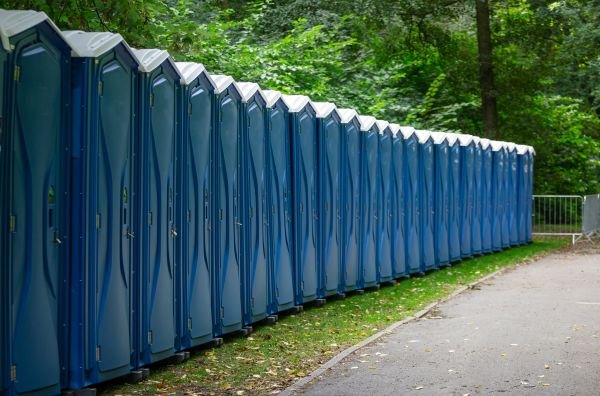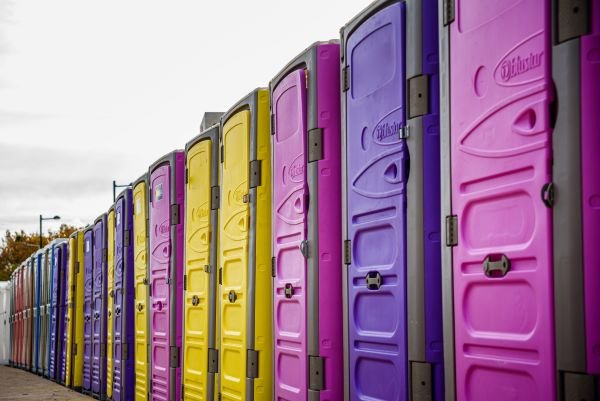

Porta-potty service frequency means how often a portable toilet is cleaned, restocked, and pumped/emptied to keep it sanitary, usable, and suitable for the people relying on it. It matters because portable toilets are a closed system: when waste levels rise, or supplies run out, odor and hygiene problems appear quickly—and once a unit becomes unpleasant, it effectively stops functioning as a usable restroom.
If you’re planning a construction site, outdoor event, renovation, emergency response, or long-term rental, the right service schedule is one of the biggest drivers of comfort and reliability. Too little service leads to complaints, downtime, and health risks. Too much service wastes budget and resources. For those managing complex logistics in Peoria, IL, maintaining a strict timeline for these visits is essential for site success.
In this guide, you’ll learn what porta potty servicing includes, what “standard” frequency usually looks like, how to estimate a schedule based on real-world conditions, and how to recognize when you need to increase service. The goal is to help you make decisions that balance sanitation, usability, and cost—without guesswork.
Direct Answer / Definition
Porta potty service frequency is the planned interval (daily, every other day, weekly, or more often) at which a provider services a portable toilet by pumping out waste, cleaning and disinfecting the unit, restocking consumables such as toilet paper and hand sanitizer, and replenishing deodorizing chemicals—based on usage, environment, and site conditions.
For many standard rentals, weekly service is the baseline, but high-traffic sites, hot weather, long operating hours, or special-use scenarios often require multiple services per week or even daily servicing to maintain sanitary conditions. This is particularly true for an event porta potty rental where thousands of attendees might use the facilities over a single weekend.
In-Depth Breakdown
What servicing actually includes
A standard service visit typically covers four essential tasks:
- Pumping and emptying the holding tank to remove waste
- Cleaning and disinfecting interior surfaces and touchpoints
- Replenishing chemicals and deodorizer for odor control and waste breakdown
- Restocking supplies, including toilet paper and hand sanitizer
Service frequency should not be based on tank capacity alone. Supplies can run out, and odors can develop long before a tank reaches its limit, especially in warm conditions or with concentrated use. If your project is located in Macon, GA, the regional humidity can often necessitate more frequent chemical replenishment than in drier climates.
Key factors that determine service frequency
Number of users and usage intensity
The number of people using the unit—and how often they use it each day—is the most important factor. A small crew with synchronized breaks can put more stress on a unit than a larger group spread across staggered schedules.
Additionally, the specific hardware matters; for instance, a handwashing station rental requires its own dedicated schedule for water replenishment and soap restocking to maintain site hygiene.
Hours of operation and duration
- Single-shift, daytime use is usually predictable
- Multiple shifts or 24-hour operations significantly increase wear and supply consumption
Weather and climate
Heat accelerates odor and bacterial activity and increases user sensitivity to cleanliness. Units in hot climates or direct sunlight often require more frequent service.
Number of units available
More units distribute usage more evenly. In many cases, adding an extra unit can reduce how quickly each toilet needs servicing, improving conditions without dramatically increasing service visits.
Type of portable toilet
- Standard portable toilets generally follow baseline schedules
- Flushing units have higher cleanliness expectations and water considerations
- Accessible (ADA) units often see heavier use and should be kept in top condition
- Restroom trailers function more like mobile bathrooms and require more frequent checks and cleaning
Compliance and sanitation expectations
While regulations may not mandate a specific service interval, toilets must remain usable, sanitary, and adequately supplied at all times. In workplace and construction environments, failure to maintain acceptable conditions can create compliance issues.
A practical rule-of-thumb approach
To estimate service frequency:
- Start with weekly service as a baseline for standard units
- Increase frequency when any of the following apply:
- High user-to-unit ratio
- Hot or humid conditions
- Alcohol consumption at events
- Long or multiple daily shifts
- Supplies run out before the next visit
- Odor or cleanliness complaints occur
- High user-to-unit ratio
A simple test: if users notice problems before the next scheduled service, the frequency is too low.
Real-World Examples & Use Cases
Construction sites
- Small crews, mild weather: weekly service may be sufficient
- Large crews or hot conditions often require twice-weekly or more frequent service
- Best practice: plan around break schedules and monitor supply usage
Outdoor events
Events concentrate usage into short timeframes.
- Single-day events: service before and after the event may be enough
- Multi-day or high-attendance events: daily or multiple daily services may be required
Residential builds and renovations
Light, intermittent use may remain on a weekly schedule, but only if the unit stays stocked and acceptable between visits.
Emergency or disaster response
Usage is unpredictable and intense. These deployments usually require daily inspections and frequent servicing to avoid sanitation failures.
Benefits, Pros & Cons
Benefits of the right service frequency
- Consistent hygiene and user comfort
- Better odor control
- Fewer complaints and disruptions
- Reduced risk of overflow or unsanitary conditions
- Easier compliance with workplace sanitation expectations
Pros of more frequent service
- Cleaner units at all times
- Supplies rarely run out
- Better experience for workers and guests
Cons of more frequent service
- Higher service costs
- More logistical coordination
- Increased site access requirements
Pros of less frequent service
- Lower overall cost
- Simpler scheduling
Cons of less frequent service
- Higher risk of mid-cycle failures
- Complaints escalate quickly
- Units may become unusable before the next visit
Common Mistakes & Misconceptions
Assuming weekly service is always enough
Weekly service is common, but it does not suit every site. Usage, weather, and operating hours can quickly make it inadequate.
Focusing only on tank capacity
A unit can become unacceptable due to odor, lack of supplies, or cleanliness long before it is physically full.
Under-ordering units
Trying to compensate for too few toilets with extra servicing often costs more and performs worse than simply adding another unit.
Ignoring peak usage patterns
Events and job sites experience spikes. Planning for averages instead of peaks leads to sanitation breakdowns.
Poor access planning
Service trucks need clear access. Blocked or restricted access can prevent scheduled servicing and undermine even a good plan.
Weekly service is a common starting point, but many jobsites require twice-weekly or more frequent service depending on crew size, climate, and hours.
If odor, mess, or missing supplies appear before the next scheduled service, the frequency is too low.
Most regulations require toilets to be sanitary and usable, but do not specify an exact pumping interval. In practice, this means service frequency must match actual usage.
Servicing usually includes pumping waste, cleaning and disinfecting the unit, restocking supplies, and replenishing deodorizing chemicals.
Yes, additional visits add cost, but they can prevent larger problems, complaints, or downtime that cost more in the long run.
Often, yes. More units spread demand and slow supply depletion, sometimes allowing a lower service frequency while improving conditions.
High-attendance events often require daily or multiple daily services, especially when alcohol is served or temperatures are high.
Conclusion
Porta potty service frequency determines whether a portable restroom setup quietly meets expectations or becomes a recurring problem. While weekly service is a common baseline, real-world conditions—usage volume, heat, shift length, and event dynamics—often demand more frequent attention.
The most reliable approach is to match service frequency to actual demand, monitor conditions between visits, and adjust early when issues appear. Planning ensures portable toilets remain clean, usable, and stress-free for everyone who depends on them.