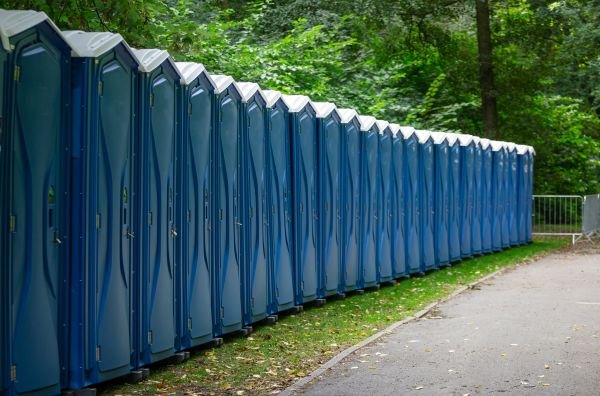
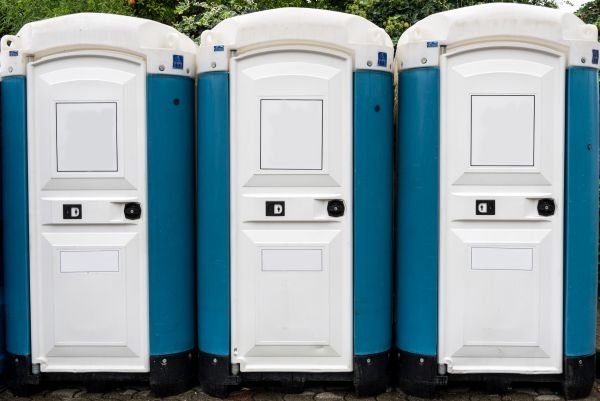
Construction porta-potty requirements in the Midwest and South are primarily driven by federal OSHA sanitation rules for construction sites, along with state and local code considerations that can affect what types of facilities are allowed and how they must be maintained. If you’re running a construction jobsite—whether residential, commercial, or infrastructure—restroom compliance is not optional. It directly affects worker health, productivity, and regulatory exposure. , which is why many contractors rely on dedicated construction porta potty rental solutions rather than general-use units.
In practical terms, “construction porta potty requirements” refers to how many toilet facilities must be provided, what types are acceptable, when exceptions apply, and what makes a facility legally and practically usable. These requirements are especially important across the Midwest and South due to seasonal extremes. Freezing winters, high summer heat, humidity, and severe weather can all make a toilet technically “present” but functionally unusable—creating compliance risks even when a unit is on site.
This guide explains the baseline federal requirements, the operational factors that affect compliance in the Midwest and South, and how to apply the rules correctly in real job-site conditions.
Direct Answer / Definition
Construction porta-potty requirements in the Midwest and South require employers to provide OSHA-compliant toilet facilities at construction jobsites based on workforce size, ensure they are available and sanitary, and use approved non-sewer toilet types when permanent restrooms are not accessible—unless a specific exemption, such as for qualifying mobile crews, applies.
At a minimum, under OSHA construction sanitation rules:
- 20 or fewer workers: at least 1 toilet facility
- More than 20 workers: 1 toilet seat and 1 urinal per 40 workers
- 200 or more workers: 1 toilet seat and 1 urinal per 50 workers
- If no sanitary sewer is available, portable toilets such as chemical or recirculating units are permitted, unless restricted by local codes
- Mobile crews may be exempt only if transportation is readily available to nearby toilet facilities
These are minimum legal thresholds. Real-world compliance depends on accessibility, cleanliness, and usability throughout the workday.
In-Depth Breakdown
How the Requirement Works
OSHA’s construction sanitation standard establishes the minimum acceptable level of toilet access for workers. It does not mandate a specific brand or style of portable toilet. Instead, it requires that toilet facilities be provided, accessible, and sanitary. Portable toilets are simply the most common way to meet this requirement on temporary construction sites. , particularly for jobs spread across markets like Fort Wayne, IN where permanent facilities are rarely available early in a build.
OSHA standards act as the federal baseline. In the Midwest and South, employers must also consider:
- State OSHA programs (where applicable)
- Local health or environmental codes
- Project specifications from owners or general contractors
Any of these may impose stricter rules than the federal minimum.
Core Components of Compliance
1. Correct Quantity
The number of required toilets is based on the maximum number of workers on site, not average attendance. If your workforce fluctuates by trade or phase, your sanitation plan must scale accordingly.
A single unit that is locked, frozen, damaged, or inaccessible does not meet the intent of the requirement, even if it technically satisfies the ratio.
2. Acceptable Toilet Types
When no permanent restroom or sewer connection is available, OSHA permits:
- Chemical toilets (standard porta-potties)
- Recirculating toilets
- Combustion toilets
- Privies, if they do not contaminate ground or surface water
Local codes may restrict or prohibit certain options, particularly in flood-prone areas, environmentally sensitive zones, or dense urban locations.
3. Availability and Access
Toilet facilities must be available when workers need them. This includes:
- Reasonable proximity to active work areas
- Unobstructed access throughout the shift
- Availability during breaks and peak usage times
Facilities blocked by equipment, fencing changes, or deliveries may be considered unavailable in practice.
4. Hygiene Support
While porta-potties address toilet access, basic hygiene must also be supported. Effective hand hygiene generally requires soap and water, not just hand sanitizer. Many sites address this gap by adding handwashing station rental alongside standard units, especially on larger or longer-duration projects.
Midwest and South–Specific Factors
Weather Conditions
- Midwest winters: Freezing temperatures can render units unusable unless winterized and properly serviced.
- Southern heat and humidity: Higher usage frequency, odor issues, and sanitation breakdowns often require more frequent servicing.
- Storm exposure: Heavy rain and wind increase the risk of tipping, flooding, and access issues.
Workforce Density and Scheduling
Large commercial projects, multi-trade stacking, overtime shifts, and weekend work all increase restroom demand. Planning strictly to the minimum ratio often fails during peak periods.
Jobsite Layout
- Linear projects (roadwork, utilities) may qualify for mobile crew exceptions only if restroom access is genuinely available nearby.
- Multi-story projects may require distributed facilities to avoid unreasonable travel time.
Real-World Examples & Use Cases
Small Residential Construction (10–15 workers)
Minimum requirement: 1 toilet facility.
Practical reality: If the unit becomes unusable due to weather, overuse, or restricted access, the site may fall out of compliance despite meeting the numerical minimum.
Medium Commercial Project (60 workers)
The OSHA ratio suggests multiple facilities. In practice, adding extra units reduces lines, prevents downtime, and lowers the risk of sanitation complaints—especially in hot Southern climates.
Mobile Road or Utility Crews
Mobile crews may be exempt only when transportation to nearby restrooms is readily available. Assuming exemption without verifying actual access is a common compliance failure.
Rural Midwest Jobsite
Portable toilets are typically the only option. Cold-weather performance and service frequency are the determining factors in whether the facility remains usable. , particularly on projects outside urban centers such as Peoria, IL.
Benefits, Pros & Cons
Benefits of Proper Compliance
- Reduced risk of OSHA citations
- Improved productivity and morale
- Better hygiene and fewer illness-related absences
- Fewer jobsite disruptions and complaints
Pros and Cons of Common Approaches
Single Standard Portable Unit
- Pros: Simple, low cost, easy deployment
- Cons: Easily overwhelmed, high failure risk
Multiple Distributed Units
- Pros: Better access, redundancy, reduced congestion
- Cons: Requires more planning and servicing
Portable Toilets with Handwashing Stations
- Pros: Strong hygiene support, fewer complaints
- Cons: Requires water and supply management
Plumbed Temporary Restrooms
- Pros: Higher comfort and cleanliness
- Cons: Limited availability, higher setup complexity
Common Mistakes & Misconceptions
- “One porta-potty is enough for any small job.”
The unit must remain usable and accessible at all times, not just present. - “Mobile crews never need toilets.”
The exemption only applies when nearby facilities are genuinely accessible. - “If it’s on site, we’re compliant.”
A locked, frozen, tipped, or overfilled unit may still be considered non-compliant. - “Hand sanitizer replaces handwashing.”
Soap and water are often necessary for effective hygiene. - “Federal rules are all that matter.”
Local codes and project requirements may be stricter.
FAQs
Requirements are based on workforce size, starting with one facility for small crews and scaling up as worker count increases.
Yes, when permanent restroom access is unavailable, and no valid exemption applies.
Chemical, recirculating, and other approved non-sewer toilets are generally permitted unless restricted by local regulations.
Costs vary by region, service frequency, weather, and crew size. Budgeting should include servicing and seasonal adjustments.
They must remain sanitary and usable at all times. Hot weather, cold weather, and heavy use increase service needs.
While separate from toilet counts, proper hygiene support is strongly expected and often required in practice.
Start with OSHA requirements, then confirm state and local rules and review project specifications.
Conclusion
Construction porta-potty requirements in the Midwest and South are built on a straightforward principle: workers must have access to adequate, sanitary, and usable toilet facilities throughout the workday. OSHA sets the federal minimums based on workforce size and allows common portable toilet solutions when sewer access isn’t available. However, weather, crew fluctuations, and site layout frequently demand more than the bare minimum.
Treat the OSHA ratios as a baseline—not a target—and plan for real-world conditions. Doing so reduces compliance risk, improves worker wellbeing, and keeps projects running without unnecessary disruptions.