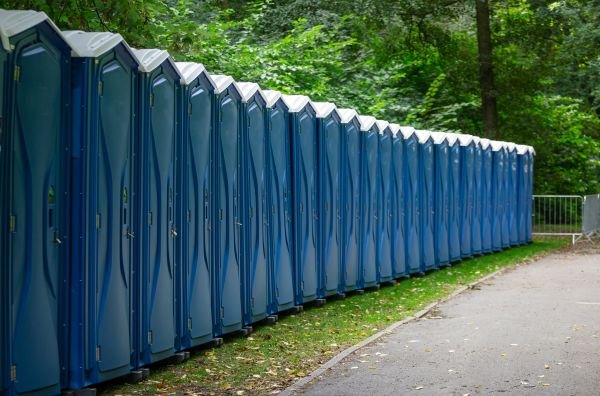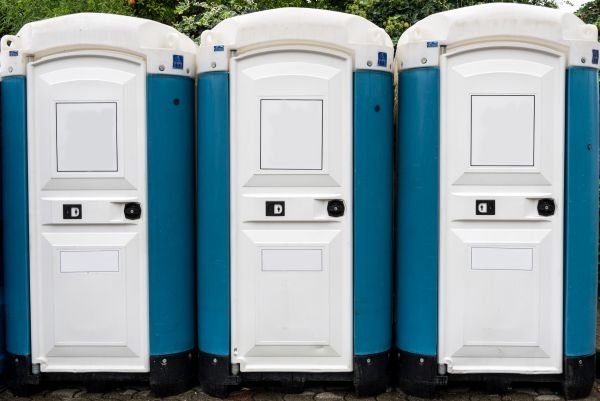
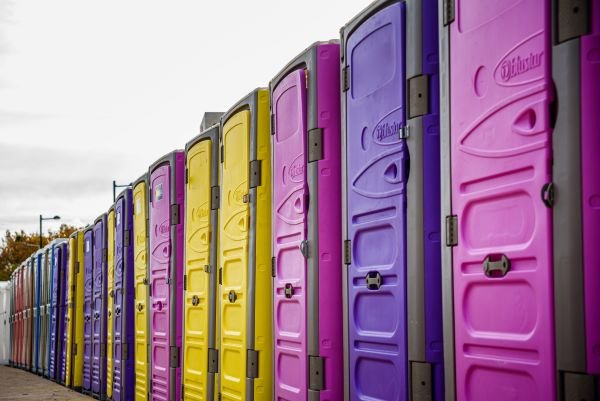
Planning an event or managing a job site usually comes down to a few unglamorous logistics that can make or break everyone’s experience—restrooms are one of them. How Many Porta Potties Do You Need is the question that sits right at the intersection of comfort, compliance, hygiene, and cost. Too few units leads to long lines, messy conditions, and frustrated guests or workers. Too many can be an unnecessary expense and can complicate placement and servicing.
In this guide, you’ll learn a practical way to estimate the right number of portable toilets based on attendance, event duration, alcohol service, and the availability of permanent bathrooms. You’ll also see real-world examples (weddings, festivals, construction sites), a quick-reference rule of thumb, and the most common planning mistakes. By the end, you’ll be able to choose the right mix of standard units, ADA-accessible options, handwashing stations, and serviced schedules—so your plan holds up in the real world, not just on paper. If you are coordinating logistics in Peoria, IL, local climate and delivery access should also be factored into your final unit count.
Direct Answer / Definition
A reliable rule of thumb is: for a typical event, plan 1 porta potty per 50 people for up to 4 hours.
Then adjust upward if the event is longer, alcohol is served, the crowd includes more women than men, food is served, or if usage is high (festivals, outdoor sports, peak-time surges). Always include at least one ADA-accessible unit when required by venue rules or local regulations, and add handwashing when food is present or hygiene standards demand it.
Simple baseline formula:
- Base units = (Number of people ÷ 50) for a ~4-hour event
- Add 25–50% more for 6–8 hours
- Add 50–100% more for all-day / heavy-use conditions
In-Depth Breakdown
What you’re really estimating
You’re not just estimating “people.” You’re estimating:
- Total restroom visits (which increases with time, food, alcohol, heat, and activity)
- Peak demand (lines form when many people go at once)
- Throughput (how many users each unit can handle comfortably)
- Service capacity (how often units can be cleaned/pumped for multi-day use)
Portable toilet planning is a traffic-flow problem. Even if the average looks fine, peak times (intermission, lunch break, after speeches, between sets) are what create lines and mess. For emergencies or sudden large-scale needs, having an emergency porta potty rental plan ensures that your site remains sanitary even during unexpected surges.
Key factors that change the number
Event duration
Longer events mean more visits per person.
- 0–4 hours: baseline works well
- 4–6 hours: add ~25%
- 6–8 hours: add ~50%
- 8+ hours / all-day: add 50–100%, or plan for servicing
Alcohol service
Alcohol increases restroom frequency and urgency. A common planning approach is to add 15–30% more units when alcohol is served—especially if it’s a late event.
Food and beverages
Food increases dwell time (people stay longer) and beverage intake. If you have catering, food trucks, or continuous drinks, treat it like a duration increase and add capacity.
Gender mix and user needs
Women generally require more time per restroom visit, and lines form faster at women’s units. For many events, adding 10–20% more units reduces lines dramatically if the crowd skews female or if you expect high restroom time (formal wear, children, older guests).
Type of crowd and setting
- Concerts/festivals: higher peak surges between sets
- Sports tournaments: bursts between games
- Community fairs: steady use + long dwell time
- Construction sites: predictable breaks + consistent daily use
- Remote locations: fewer alternatives; people rely on what you provide
For public-facing festivals, an event porta potty rental strategy typically involves a higher density of units to handle these quick bursts of traffic.
Existing restrooms on-site
If you have permanent bathrooms available, you can reduce porta potties—but don’t over-credit them:
- Confirm how many stalls/urinals are actually open to guests
- Confirm distance (if they’re far away, people won’t use them)
- Consider access control (locked buildings, limited keys, restricted areas)
A safe approach is to treat permanent restrooms as a partial offset, not a full replacement. In metro hubs like Columbus, GA, building access may be restricted during evening events, making supplemental portable units a necessity.
Weather and terrain
Hot weather increases hydration; rain or mud can reduce movement (people won’t walk far), increasing pressure on nearby units. If units are clustered too far away, you’ll get local overload even if the total count is fine.
Types of portable restroom units (and why the mix matters)
Standard porta potty
The basic unit. Best for:
- Short to medium events
- General job site needs
- Budget-focused setups
ADA-accessible (wheelchair-friendly) unit
Larger, with accessible entry and turning space. Even when not legally mandated for every situation, including at least one is a strong best practice for public-facing events.
Trailer-mounted restroom (luxury restroom trailer)
Higher comfort, sinks, lighting, flushing. Best for:
- Weddings
- Corporate events
- VIP areas
- Sites with power/water or self-contained trailers
Handwashing stations and sanitizer stands
If food is served, hygiene expectations jump. A clean plan often includes:
- Handwashing stations (water + soap) near restrooms and food areas
- Hand sanitizer as a supplement, not a replacement when food handling is involved
Placement and servicing (often overlooked)
Even the “right number” fails if:
- Units are too far from the crowd
- They’re all in one spot (creates lines in one zone)
- They’re not lit at night
- They aren’t cleaned/stocked for multi-day or high-use events
For multi-day events or job sites, plan:
- Regular pumping/servicing schedule
- Restocking toilet paper, hand soap, and paper towels
- Daily checks for cleanliness and damage
Real-World Examples & Use Cases
Example 1: Backyard party — 60 people, 4 hours, beer/wine
Baseline: 60 ÷ 50 = 1.2 → 2 units
Alcohol adjustment: +15–30% → stays 2, but consider handwashing if food is served and bathrooms inside are off-limits.
Recommendation: 2 standard units + sanitizer or small handwash station.
Example 2: Wedding — 150 guests, 6 hours, full bar, formal attire
Baseline: 150 ÷ 50 = 3 units
Duration (6 hours): +25–50% → 4–5 units
Alcohol: +15–30% → lean toward 5
Accessibility: include 1 ADA (counts as a unit but doesn’t fully replace standard capacity)
Recommendation: 4–5 total units including 1 ADA, or a restroom trailer plus an ADA unit depending on venue expectations.
Example 3: Community festival — 500 attendees, 8 hours, food trucks
Baseline: 500 ÷ 50 = 10 units
8 hours + food: +50% → 15 units
Peak surges: consider more or better distribution across zones
Recommendation: 15 units total including 1–2 ADA units, multiple handwashing stations near food areas, spread across entrances/stages.
Example 4: Construction site — 20 workers, 8–10 hour shifts, 5 days/week
Construction demand is different: daily consistent use, predictable breaks, compliance expectations, and servicing needs. A common baseline is 1 unit per small crew, with increased servicing as crew size grows.
Recommendation: For 20 workers, typically 2 units plus a handwash station, with scheduled servicing (often weekly, adjusted by usage and heat).
Example 5: Sports tournament — 300 people cycling in/out, 10 hours, high hydration
Even if total attendance is 300, turnover can create peaks and the time span is long.
Baseline: 300 ÷ 50 = 6 units
All-day: +50–100% → 9–12 units
Recommendation: 10 units total including 1 ADA, placed near fields and concessions (not just one central cluster).
Benefits, Pros & Cons
Benefits of getting the count right
- Shorter lines and fewer complaints
- Cleaner units (less overuse)
- Better public health and hygiene outcomes
- Reduced risk of event disruption
- Easier maintenance and waste management
Pros of adding “one extra” unit
- Buffers peak demand
- Reduces mess and odors
- Helps when one unit becomes temporarily unusable
- Improves guest experience for minimal extra cost compared to the downside of shortages
Cons of over-ordering
- Higher rental and service cost
- More space required (and sometimes permit/placement constraints)
- More delivery logistics and site planning
- Possible underuse if permanent bathrooms are plentiful
The “sweet spot” is not the absolute minimum—it’s the number that keeps lines reasonable at peak times.
Common Mistakes & Misconceptions
Mistake 1: Using only total attendance (ignoring duration)
A 200-person event for 2 hours is very different from 200 people for 10 hours. Duration is one of the biggest drivers.
Mistake 2: Forgetting alcohol and hot weather
Alcohol + heat + outdoor activity can double perceived demand. If you serve alcohol, assume higher frequency.
Mistake 3: Assuming nearby building restrooms will “take care of it”
If permanent bathrooms are far, restricted, or limited in stalls, people will still crowd the porta potties closest to the action.
Mistake 4: Ordering units but skipping handwashing
Hygiene expectations are higher than ever. For food events, handwashing access matters as much as toilet access.
Mistake 5: Poor placement
If all units are in one corner, you’ll get local overload and long walks. Spread them across “activity zones” and add lighting for evening use.
Mistake 6: Not planning for servicing on multi-day events
Even plenty of units can become unacceptable if they aren’t serviced. For multi-day events, schedule cleaning/pumping.
FAQs
For a ~4-hour event, start with 2 units (100 ÷ 50 = 2). If it’s 6–8 hours or includes alcohol, plan 3–4.
Most weddings run 5–7 hours with drinks and peak-use moments. For 100–150 guests, a common comfortable range is 3–5 units total, including 1 ADA when appropriate.
For small crews, 1–2 units may work depending on crew size and shift length. At 20 workers, plan around 2 units plus handwashing, with servicing scheduled based on usage.
For many public-facing events, providing at least one ADA-accessible unit is a best practice and may be required depending on venue rules and local accessibility requirements.
Cost depends on unit type (standard vs. ADA vs. trailer), rental duration, delivery distance, servicing frequency, and local market rates. Short events typically cost less than multi-day rentals with regular servicing.
It depends on the number of users, weather, and whether it’s a multi-day setup. For events, the goal is to avoid reaching capacity by ordering enough units and adding servicing for longer or multi-day use.
If food is served, if hygiene is a priority, or if the site is remote, yes—handwashing improves sanitation, reduces complaints, and keeps restrooms cleaner.
Conclusion
The best starting point is simple: 1 porta potty per 50 people for up to 4 hours, then adjust for time, alcohol, food, peak-use surges, and accessibility needs. Most planning problems come from ignoring duration and peak demand, not from being off by a tiny margin. If you want a smooth experience, prioritize smart placement, include handwashing, and add capacity for all-day or high-intensity scenarios.
If you share your expected headcount, event duration, whether alcohol is served, and whether permanent restrooms are available, you can quickly sanity-check your final number—and confidently avoid the “we should’ve rented more” situation.
.